
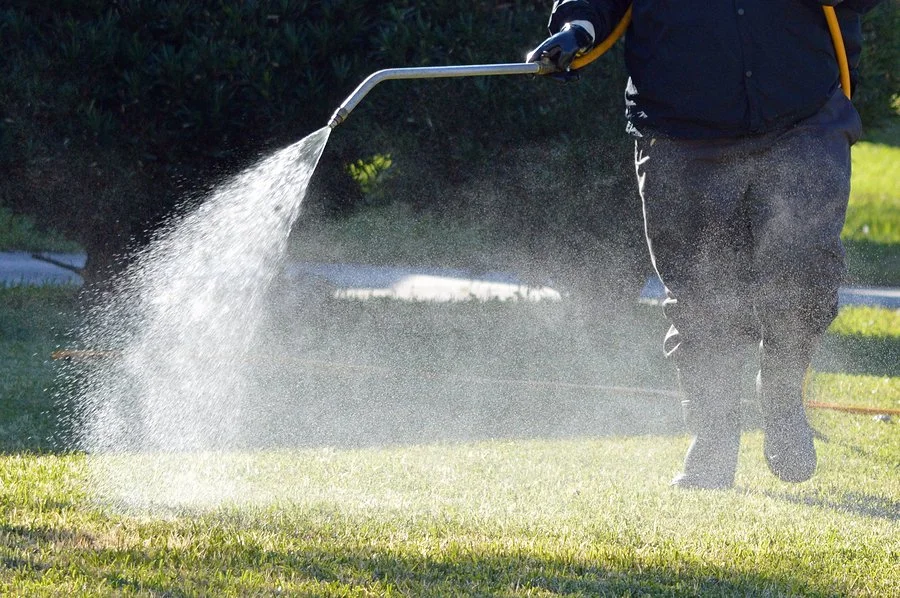
Tick & Mosquito Control
The East End has some of the highest Lyme disease rates in the country. Most tick & mosquito bites on Long Island happen in the backyard, not the woods. If your property has wooded edges, leaf litter, or deer traffic, the unfortunate truth is that your property has ticks & mosquitos.
Over 30 Years Experience
✳︎
ISA Board Certified Master Arborist
✳︎
Licensed & Insured
✳︎
30+ 5-Star Reviews
✳︎
Over 30 Years Experience ✳︎ ISA Board Certified Master Arborist ✳︎ Licensed & Insured ✳︎ 30+ 5-Star Reviews ✳︎
Does Your Property Have Any of This?
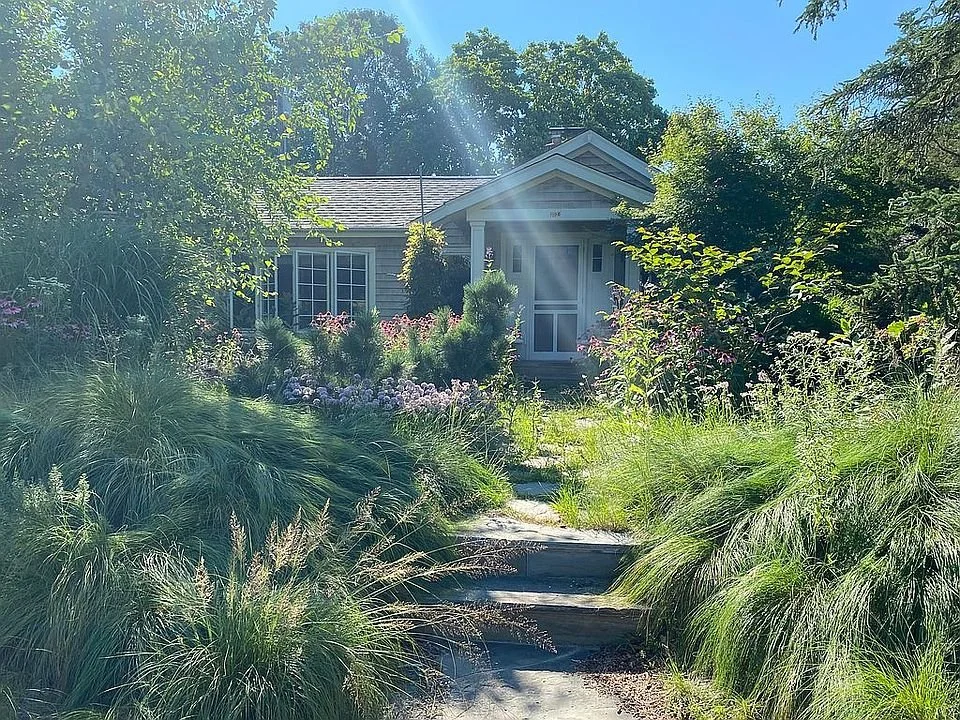
Tall Grass
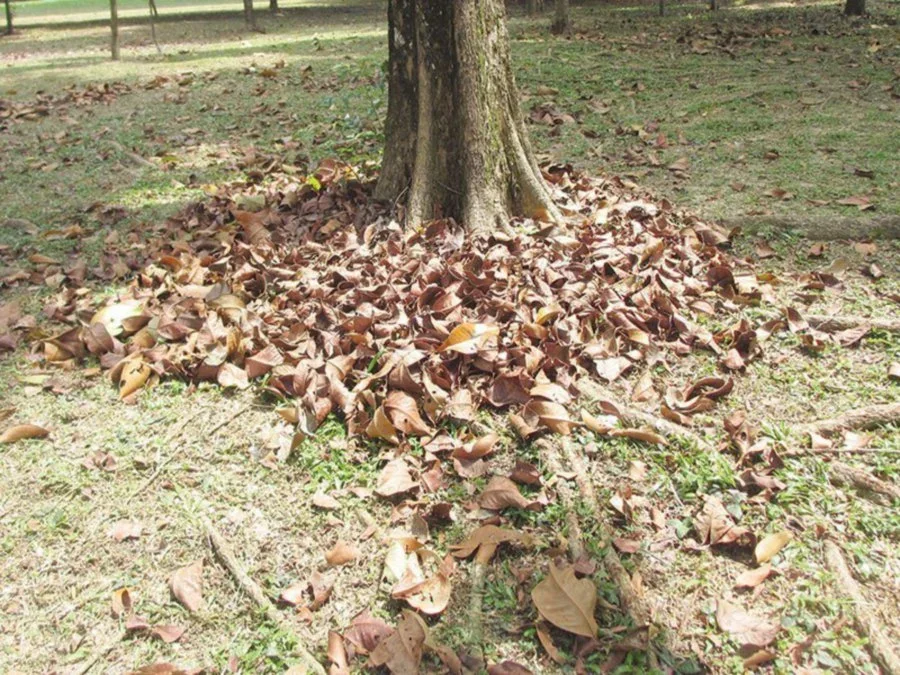
Leaf Litter
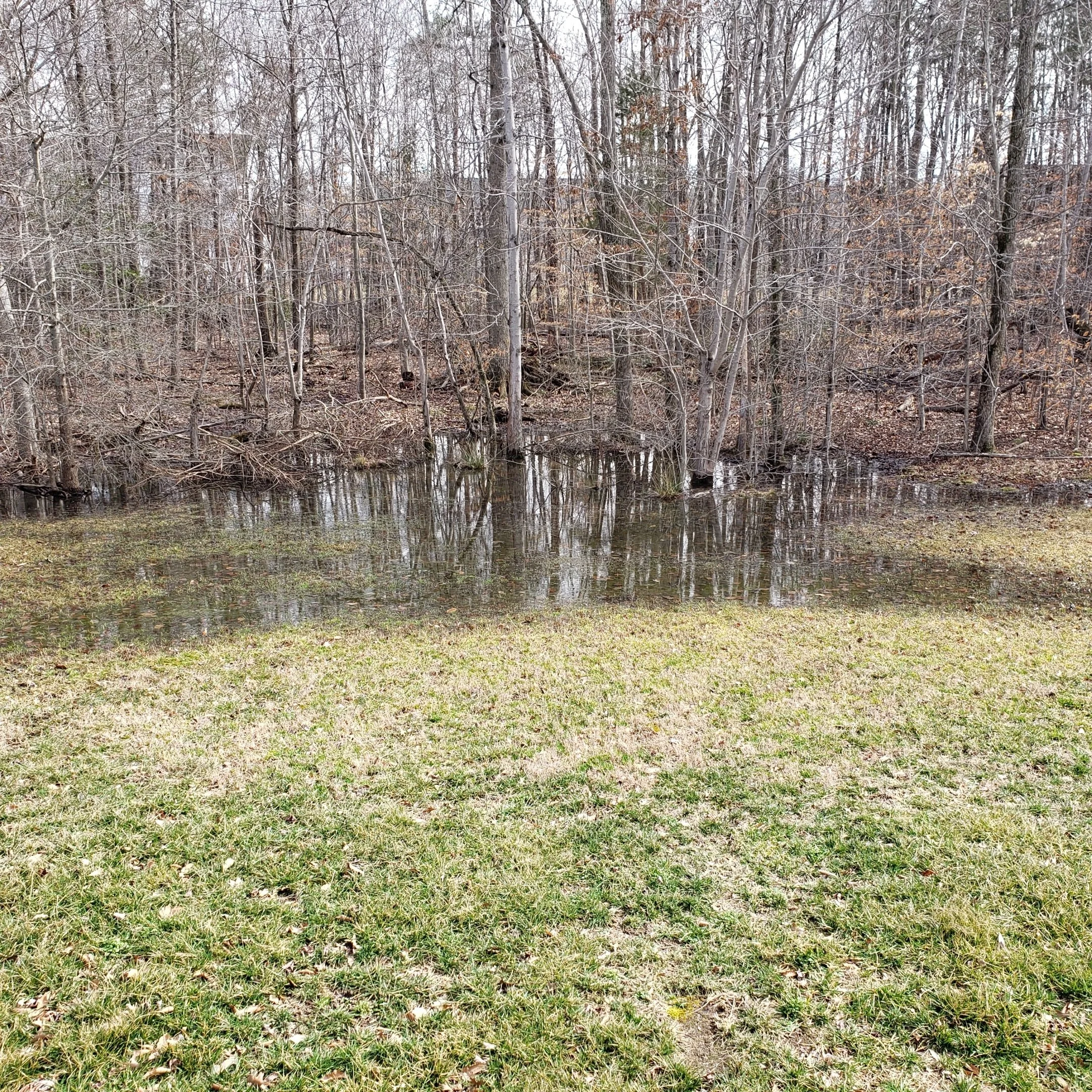
Standing Water
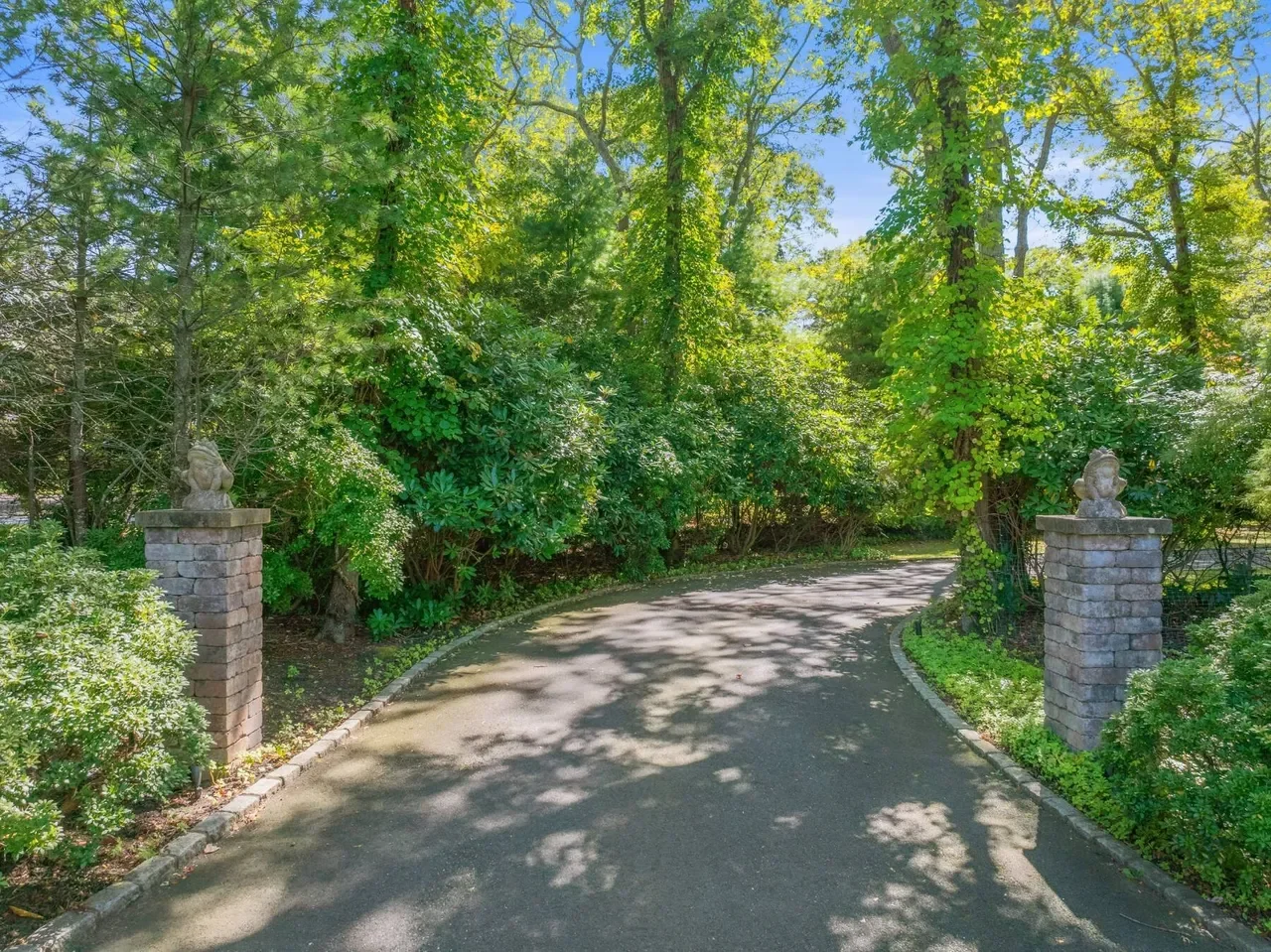
Wooded Property Edges
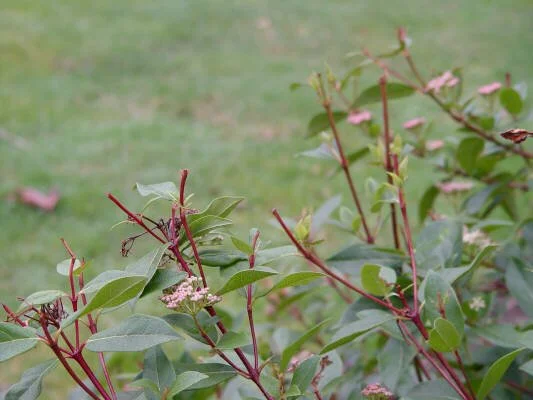
Deer Damage/Trails
Tick and mosquito populations on Long Island are established earlier than most people expect. The best time to get ahead of them is before you're already seeing them.
The Problem Is Bigger Than What You Can See
Why most tick and mosquito exposure happens before anyone notices:
Size
Deer tick nymphs are the size of a poppy seed. The stage most likely to transmit Lyme disease is nearly invisible. Most people never see the tick that bit them.
Obscurity
Mosquitoes breed in less than an inch of standing water. A clogged gutter, a plant saucer, a low spot in the lawn. They breed where you can’t see.
Timeline
Ticks are active on Long Island as early as March. Most homeowners don't think about treatment until June. By then, the population is already established.
See anything you recognize or want a plant diagnosed?
Here’s what to do:
1. Describe what you're seeing
Fill out the form below. Include plant type, what the pest/disease looks like, and how long it's been happening.
2. We visit the property
We complete a detailed walk-through of the affected plants and surrounding conditions, including soil, drainage, adjacent plantings to diagnose the cause, not just the symptom.
3. Get a diagnosis and treatment plan
Learn what it is, why it happened, what the treatment window looks like, and what happens if it goes untreated. Specific to your plants and your property.
Call (631) 875-1865 or Fill Out The Form Below to Get Started
Frequently Asked Questions
-
Ticks are active on Long Island as early as March and mosquitoes follow by May. The first application should go down before activity peaks, not after. Most homeowners who call in June are already behind.
-
Applications are scheduled every 3 weeks through the active season to maintain continuous protection. Timing is adjusted based on weather and pest pressure.
-
No. We just need access to the yard. We'll notify you before we arrive and leave a service note when the treatment is complete.
-
Once the application has dried, rain does not wash it away. We monitor conditions and won't treat immediately before heavy rain.
-
Mosquitoes rest in vegetation and are treated with a barrier spray targeting those areas. Ticks concentrate along property edges, leaf litter, and transition zones between lawn and wooded areas. Both are addressed in a single visit but require different targeting on the property.