
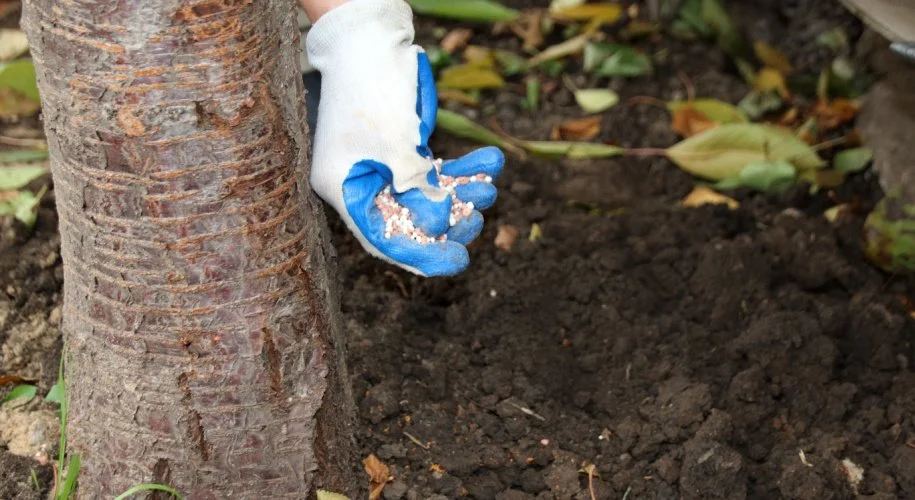
Soil Care & Fertilization
Long Island's sandy soils don't hold nutrients the way trees & plants need them to. If your plants look like they're struggling but nothing is visibly wrong, the problem is almost certainly underground where you can't see it.
Over 30 Years Experience
✳︎
ISA Board Certified Master Arborist
✳︎
Licensed & Insured
✳︎
30+ 5-Star Reviews
✳︎
Over 30 Years Experience ✳︎ ISA Board Certified Master Arborist ✳︎ Licensed & Insured ✳︎ 30+ 5-Star Reviews ✳︎
Your Trees & Plants are Telling You Something.
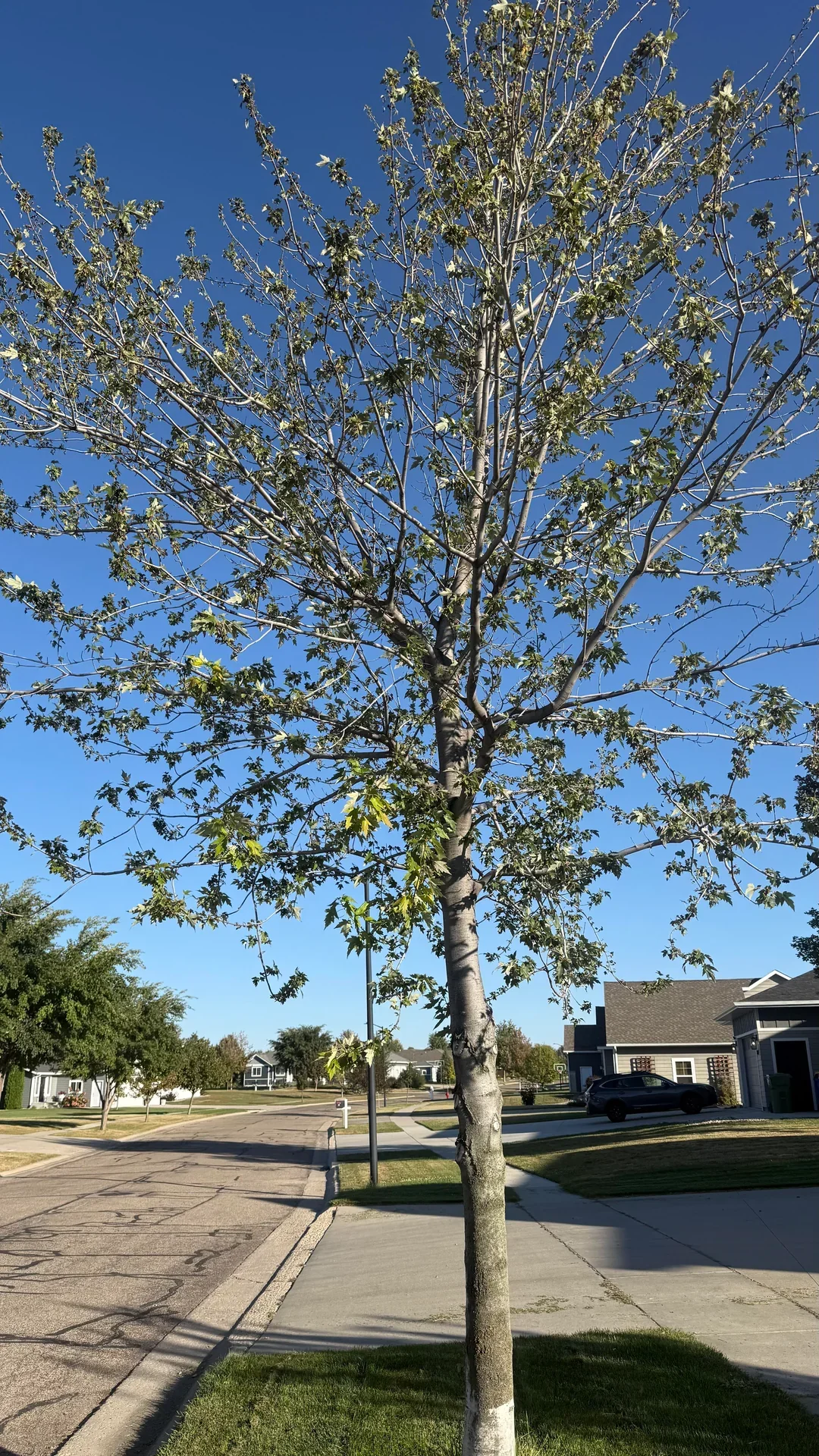
And it’s coming from underground…
Sparse Foliage - Nutrient Deficiency
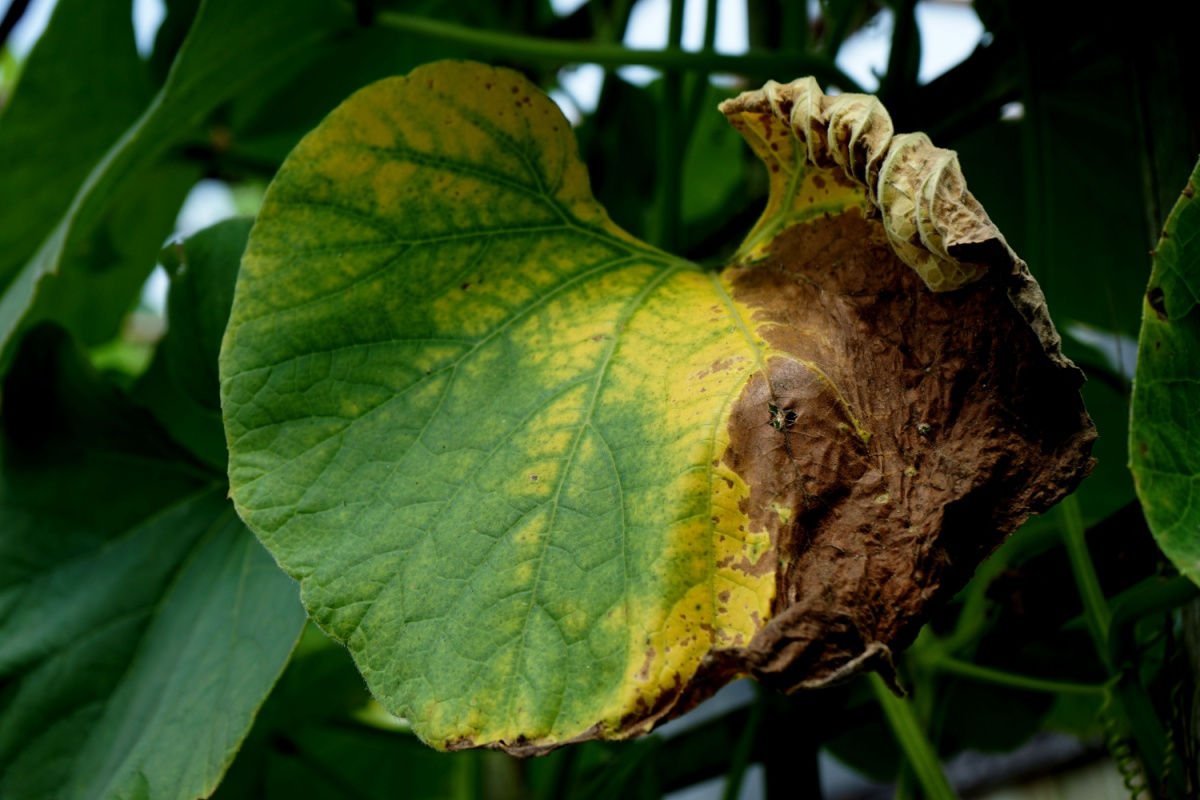
Fertilizer Burn
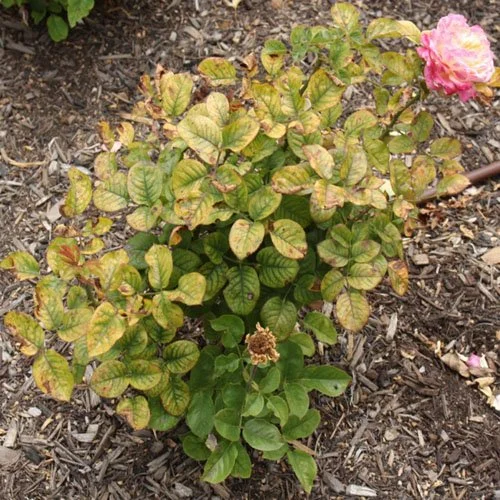
Yellowing Leaves - Soil pH Imbalance
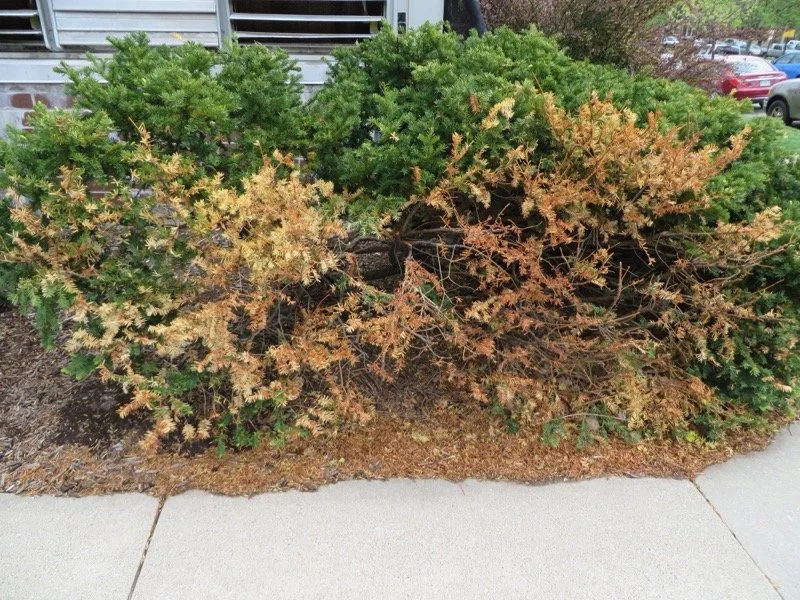
Salt Damage
Most soil problems on Long Island have been developing for years before anything shows above ground. The longer it goes unaddressed, the harder it is to reverse.
Can You Spot the Difference?
And would you know how to treat it if you can…
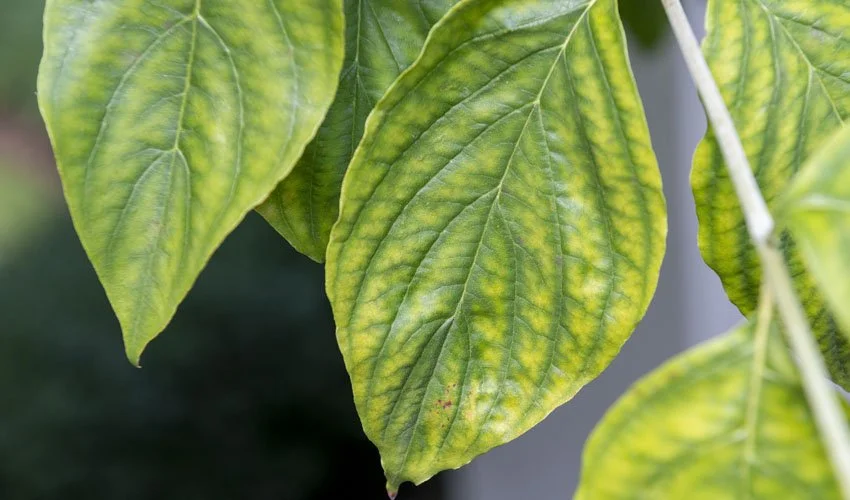
Interveinal Chlorosis
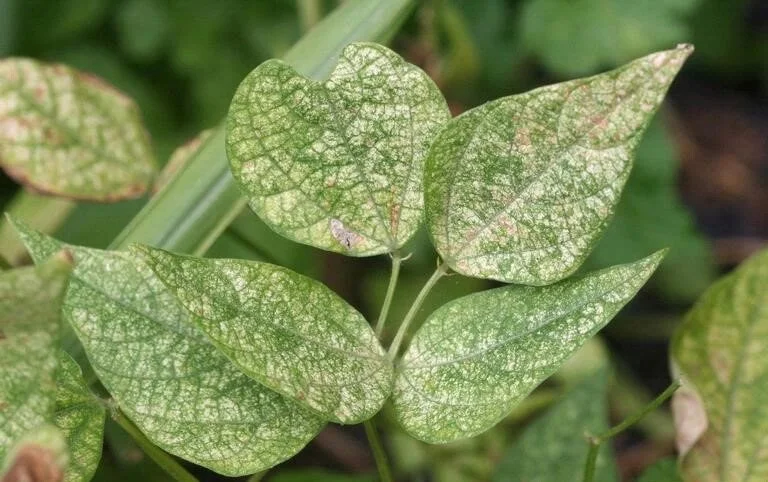
Spider Mite Damage
One is an insect feeding on leaf tissue. One is a pH imbalance blocking your tree's ability to absorb iron from the soil. Spray for mites on a pH problem and nothing changes because the cause is in the ground, not on the plant.
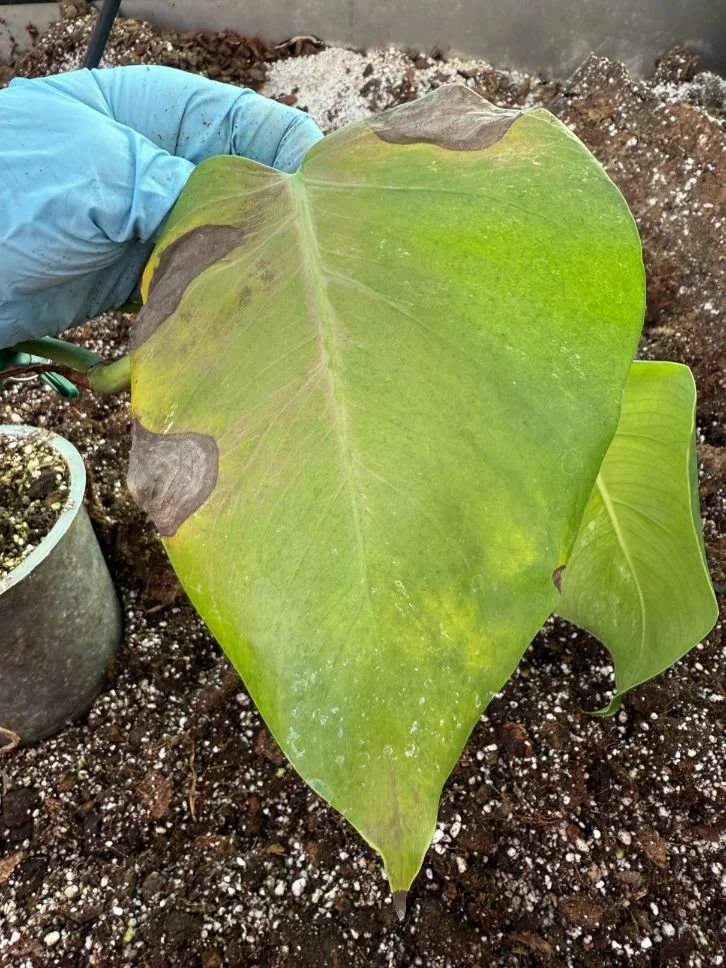
Root Rot
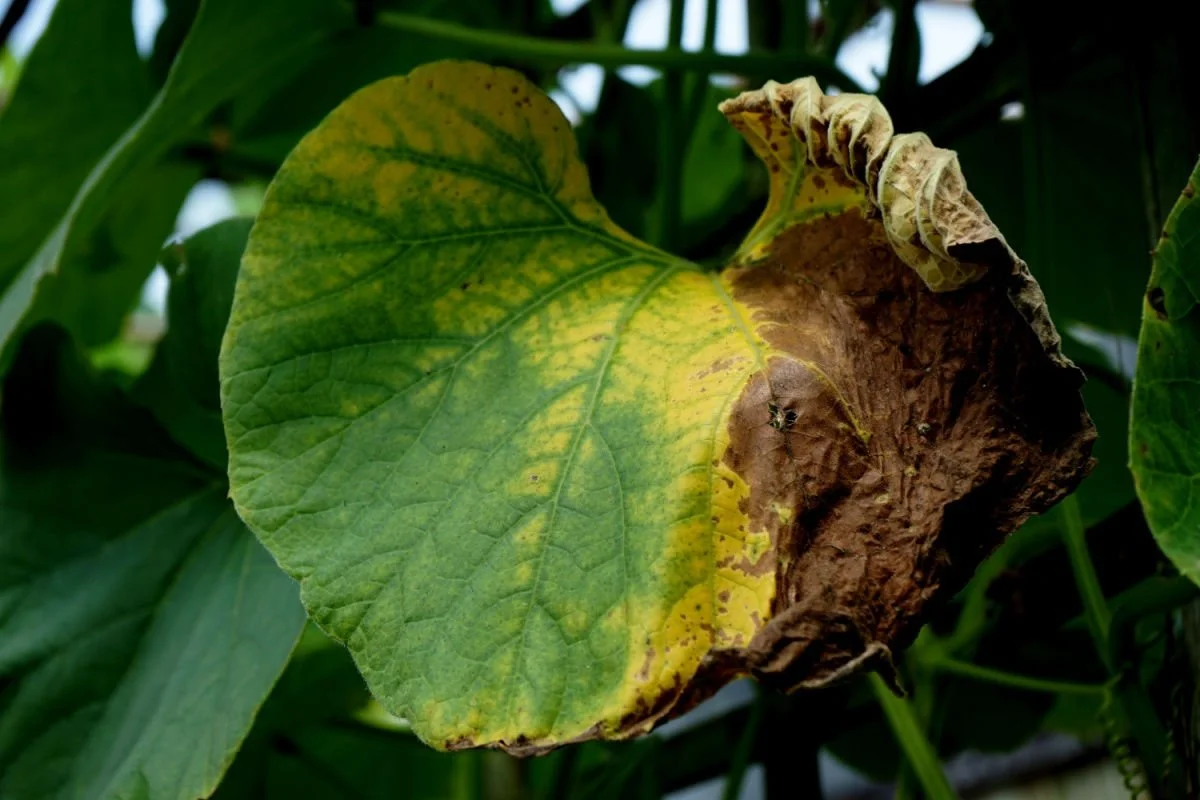
Fertilizer Burn
One is salt accumulating in the root zone from coastal exposure and over-irrigation. One is a lack of water. Increase irrigation on a salt-damaged plant and you drive the salts deeper into the root zone. Exactly the opposite of what to do for the other
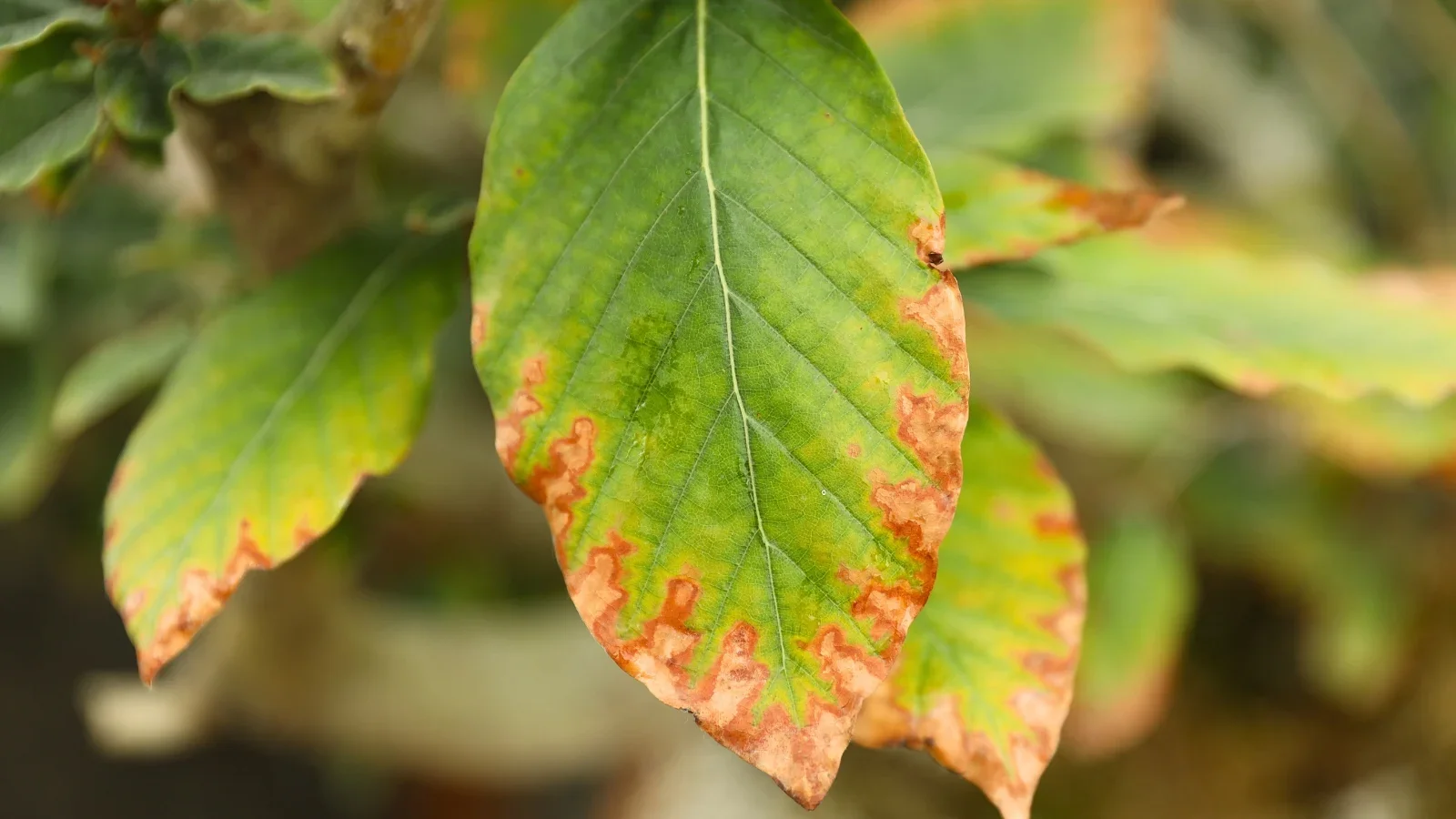
Salt Burn
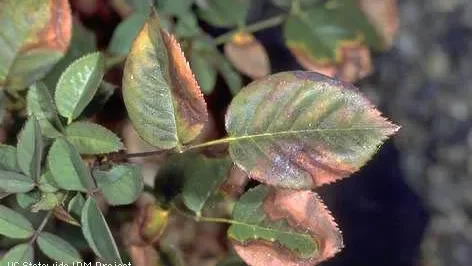
Drought Damage
One is excess fertilizer salts scorching the root system from outside. One is a fungal pathogen destroying it from within. Both show the same brown, crispy margins and tip dieback above ground. The treatment for one makes the other significantly worse.
See anything you recognize or want a plant diagnosed?
Here’s what to do:
1. Describe what you're seeing
Fill out the form below. Include plant type, what the pest/disease looks like, and how long it's been happening.
2. We visit the property
We complete a detailed walk-through of the affected plants and surrounding conditions, including soil, drainage, adjacent plantings to diagnose the cause, not just the symptom.
3. Get a diagnosis and treatment plan
Learn what it is, why it happened, what the treatment window looks like, and what happens if it goes untreated. Specific to your plants and your property.