

Most people call an arborist when something is already dying. A Plant Health Care program is what prevents that call, through a proactive, year-round approach to monitoring and maintaining the health of every tree and shrub on your property before problems take hold.
Plant Health Care Programs
Over 30 Years Experience
✳︎
ISA Board Certified Master Arborist
✳︎
Licensed & Insured
✳︎
30+ 5-Star Reviews
✳︎
Over 30 Years Experience ✳︎ ISA Board Certified Master Arborist ✳︎ Licensed & Insured ✳︎ 30+ 5-Star Reviews ✳︎
Plant Health Care is a holistic, proactive approach to maintaining the health of trees, plants, and shrubs developed by the International Society of Arboriculture. Rather than treating problems after they appear, it focuses on monitoring, prevention, and early intervention across every system that affects plant vitality, including soil, roots, pest pressure, and disease. A PHC program is how that approach gets applied to your specific property.
What is Plant Health Care?
-
Mature, well-maintained trees increase property values by 3–15%
-
Beech Leaf Disease can kill mature trees in 6–10 years and saplings in as little as 2
-
Treating a tree costs 8–12x less than removing it. A single tree removal on Long Island averages $3,000
What’s Included in a Plant Health Care Program?
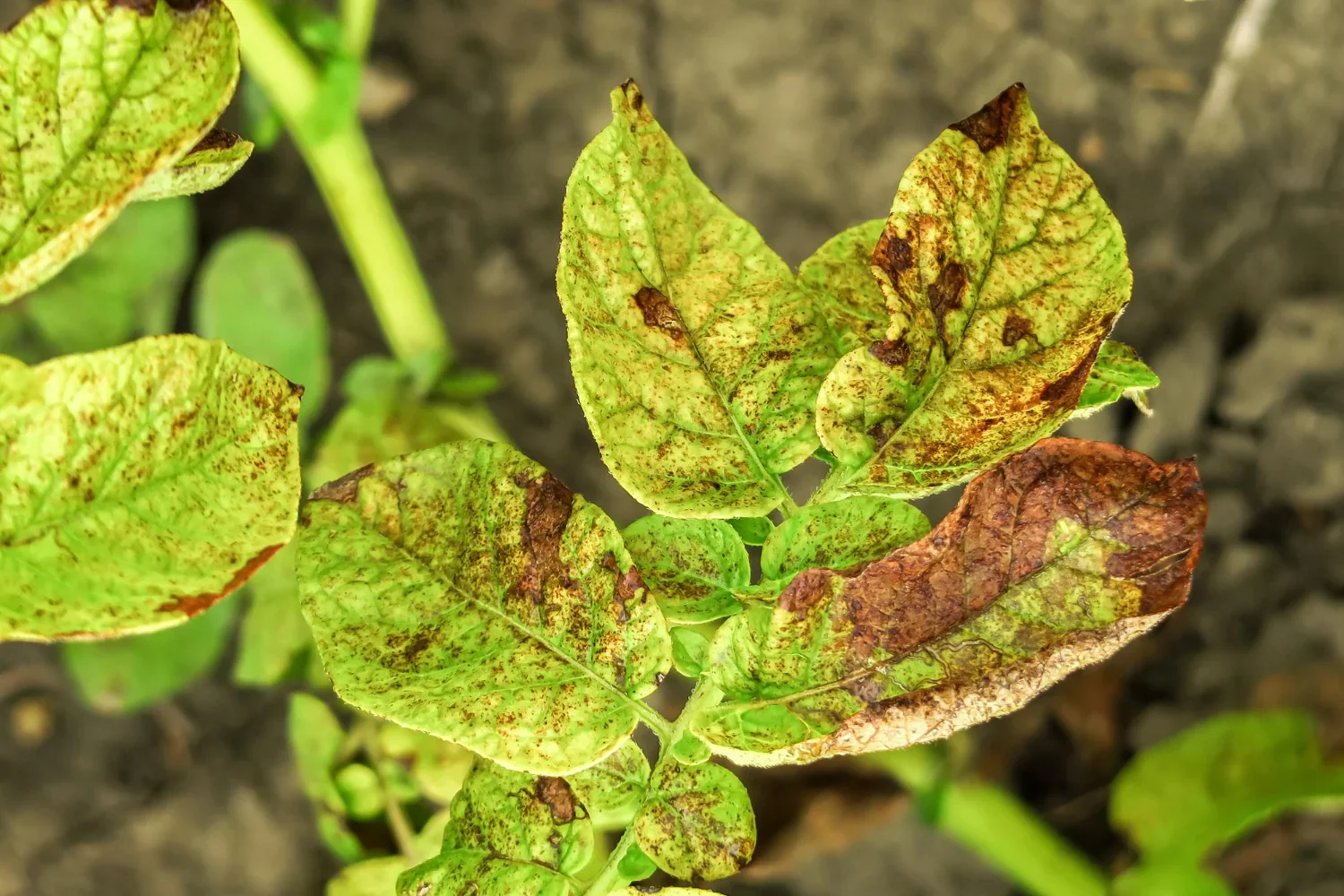
Diagnosis and treatment of fungal pathogens and insect infestations including boxwood blight, leaf miner, scale, beech leaf disease, and more.
Most critical in spring and early summer when disease spreads fastest.
Pest & Disease Management
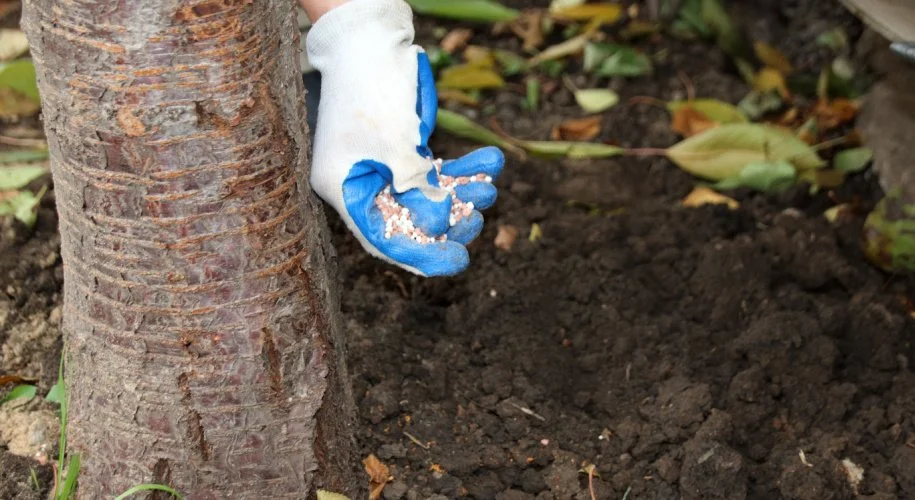
Correcting nutrient deficiencies, pH imbalances, and sandy soil conditions common on Long Island.
Most effective in spring and fall when root uptake is highest.
Soil Care & Fertilization
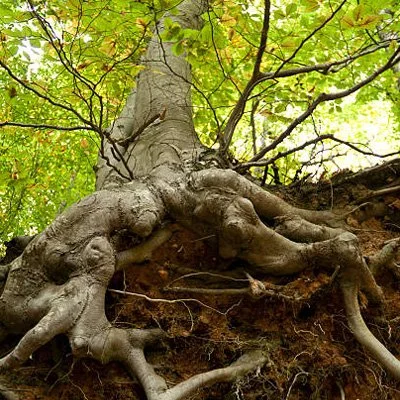
Identification and treatment of structural root issues including girdling roots, soil compaction, construction damage, improper planting depth, and more.
Most effective when caught before decline is visible above ground.
Root Health & Cultural Care
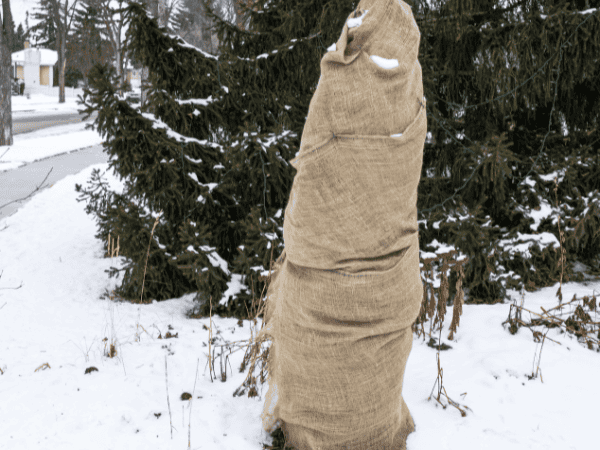
Anti-desiccant spray, burlap wrapping, and winterization programs for evergreens and shrubs before the first hard freeze.
Window closes in October - timing is everything
Winter Plant Protection
Every PHC program starts with a single walk-through. Nate assesses what's on your property and builds the program around it.
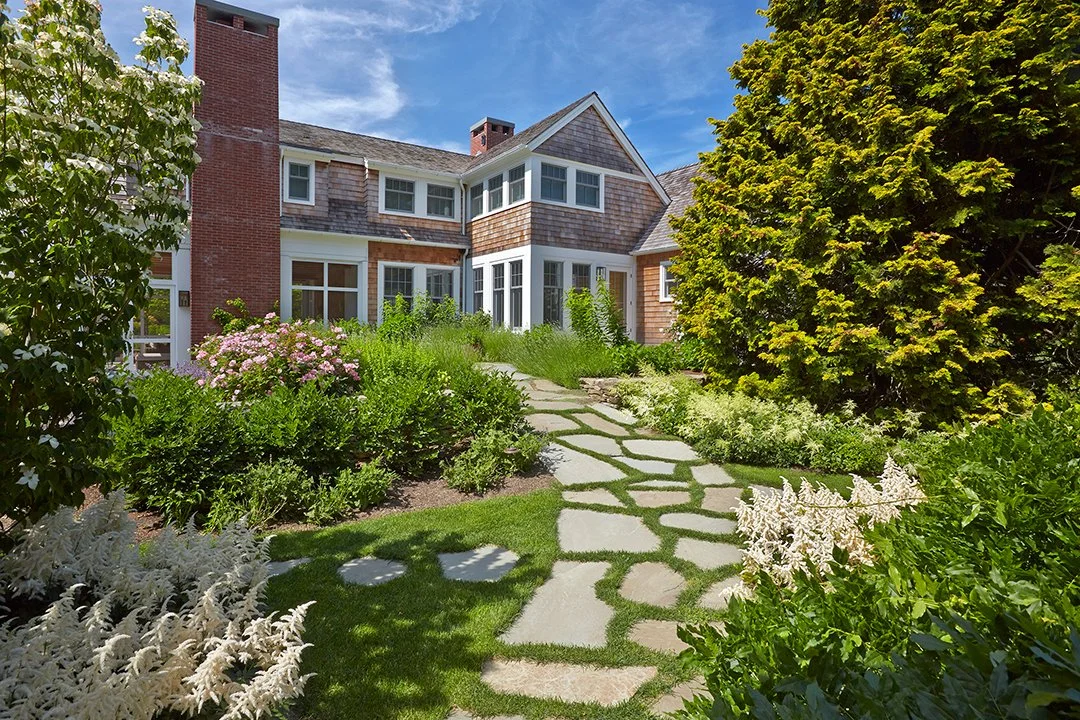
A PHC program makes the most sense when the landscape has real value to protect. The properties Nate works with typically have mature tree canopies, established hedgerows, and ornamental plantings that took decades to grow that would take decades to replace. If something goes wrong, calling an arborist after the fact is the most expensive version of that conversation.
Built for Long Island Properties
-
The program is built around your specific property after an initial walk-through. Some properties need seasonal pest and disease monitoring, others need soil work, others need both. Nate builds the program around what your landscape actually requires — not a fixed package. Individual treatments are scoped and priced based on what the property needs.
-
It depends on what the program includes. A full PHC program typically involves multiple visits through the growing season — spring, early summer, late summer, and a fall winterization visit. Properties with active disease or pest pressure are monitored more frequently during critical windows.
-
A BCMA is the highest credential in arboriculture — fewer than 2% of ISA-certified arborists hold it. It requires years of field experience, a rigorous exam, and ongoing continuing education. The practical difference: a BCMA is trained specifically in plant pathology, soil science, and integrated pest management at a level that most landscape arborists aren't. Your landscaper's arborist can identify a sick tree. Nate can tell you exactly what's wrong with it and why.
-
Landscapers are trained in maintenance — mowing, pruning, planting, irrigation. Plant health care is a different discipline entirely. It's the difference between a cleaning service and a doctor. Your landscaper keeps the property looking good. A PHC program monitors the biological health of every tree and shrub on the property and intervenes before problems become expensive. Most of the Hamptons properties Nate works with already have a landscaper — the two services aren't in conflict.
-
A PHC program is built around scheduled visits and proactive monitoring — Nate walks your property on a regular cadence and catches issues before they show symptoms above ground. Calling reactively means by the time something is visible, the treatment window has often already narrowed. Most of the problems we deal with — girdling roots, soil deficiency, early-stage fungal disease — are significantly cheaper and easier to address when caught early.
Frequently Asked Questions
See anything you recognize or want a plant diagnosed?
Here’s what to do:
1. Describe what you're seeing
Fill out the form below. Include plant type, what the issue looks like, and how long it's been happening.
2. We visit the property
We complete a detailed walk-through of the affected plants and surrounding conditions, including soil, drainage, adjacent plantings to diagnose the cause, not just the symptom.
3. Get a diagnosis and treatment plan
Learn what it is, why it happened, what the treatment window looks like, and what happens if it goes untreated. Specific to your plants and your property.